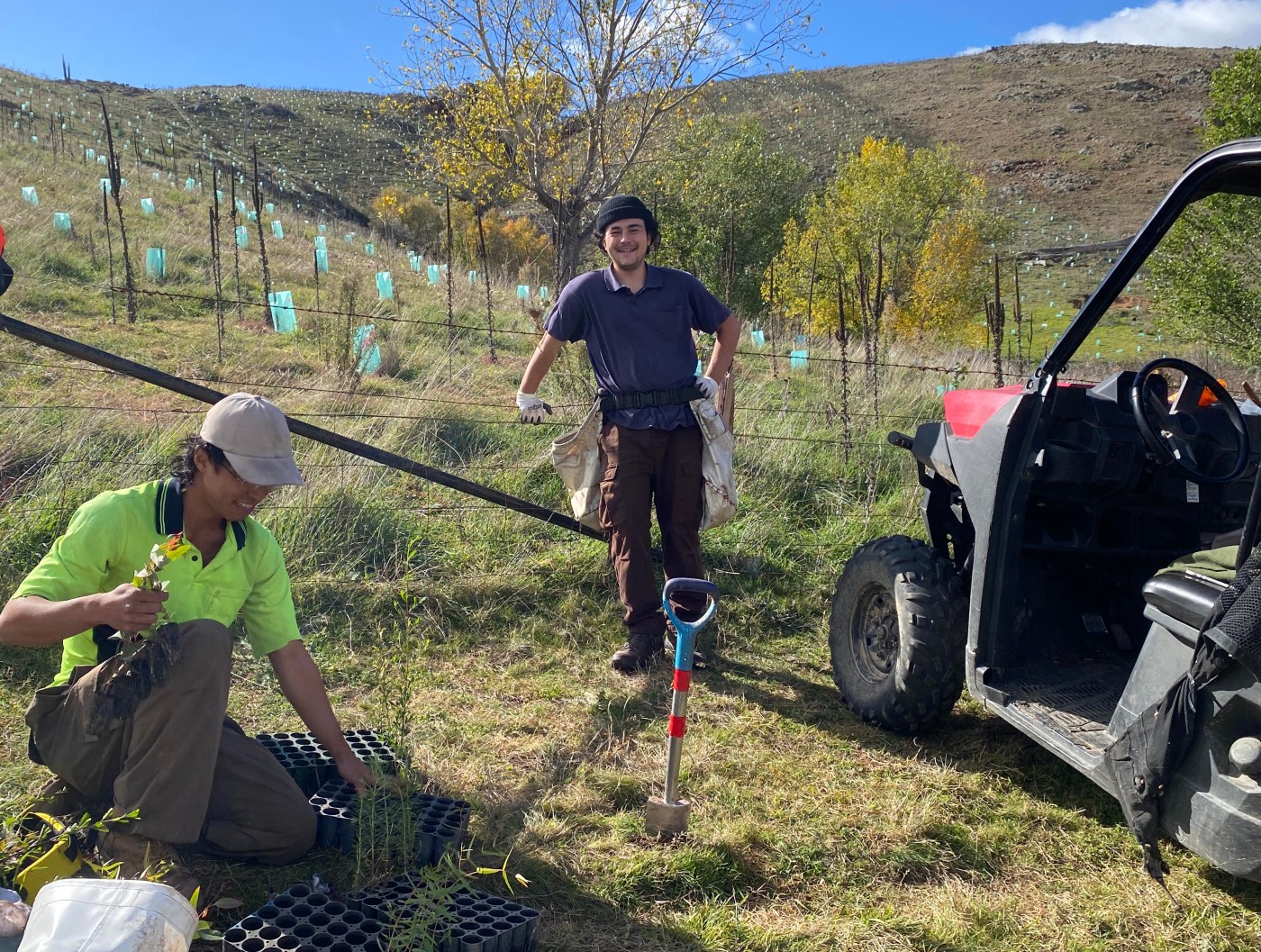
Greenfleet’s team has been back at the land they planted in 2024. Unfortunately, that’s because the dry season after the first planting killed all but 1500 of the 19 thousand seedlings they put in.
The Greenfleet team wasn’t happy with the results, which were similar in Victoria to here. That’s the frustrating thing about being reliant on rainfall. If it doesn’t come, things don’t grow. These short, sharp droughts are part of the changing climate effects, so just something we have to work with as we go. Doesn’t stop me complaining about them, however.
There was also trouble with the plant seedling order, due to damage from the extreme hot weather in January. It was suggested that we plant extra kurrajongs to make up the numbers (from 300 to 1000) but I vetoed that, because kurrajongs do best in my experience when they have some space between them. Even 300 is a lot. Everything else on the list was suitable for our ecosystem and pretty well-balanced.
I chose Greenfleet as a carbon planting company because they create ecosystems, instead of just putting in monocultures which do nothing for wildlife.
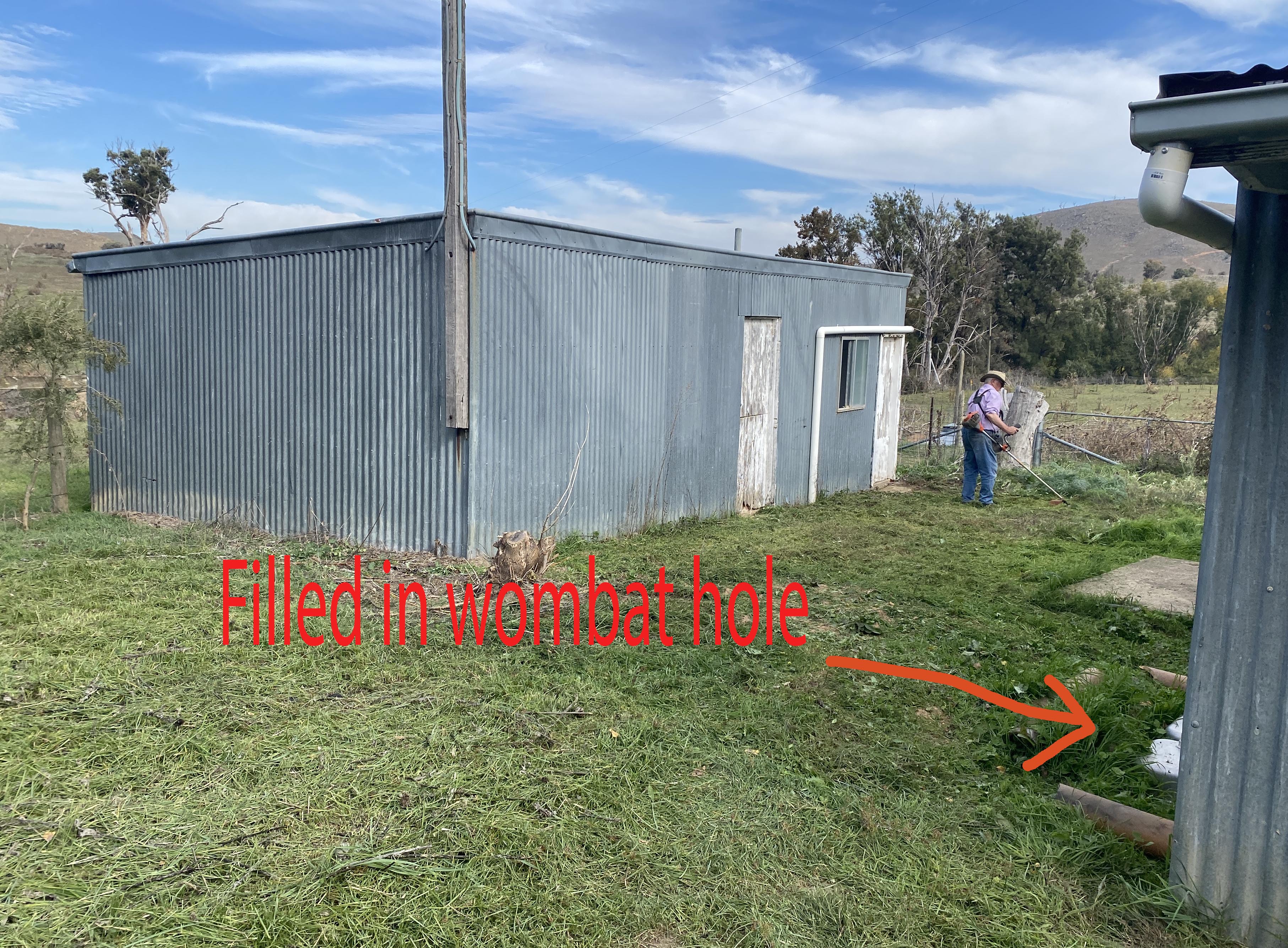
Vincent’s team of planters was cheerful and energetic as always, and delighted that the weather was warmer this year than in frosty August 2024. They were also happy that Craig and Dmitry had filled in two entries to the wombat burrow under the house with rocks and a spare kitchen sink, so it was easier to get to the bathroom without falling in a giant hole on the way.
A gigantic bulldozer arrived in February and did hundreds of rip-lines in the Kurrajong Hill plot. I’d assumed they would only do the flatter areas, but they went pretty much everywhere in that 16 hectares. The rip-lines were on contours so the water is caught more effectively where the plants will be, instead of letting it trickle down to the creek immediately.
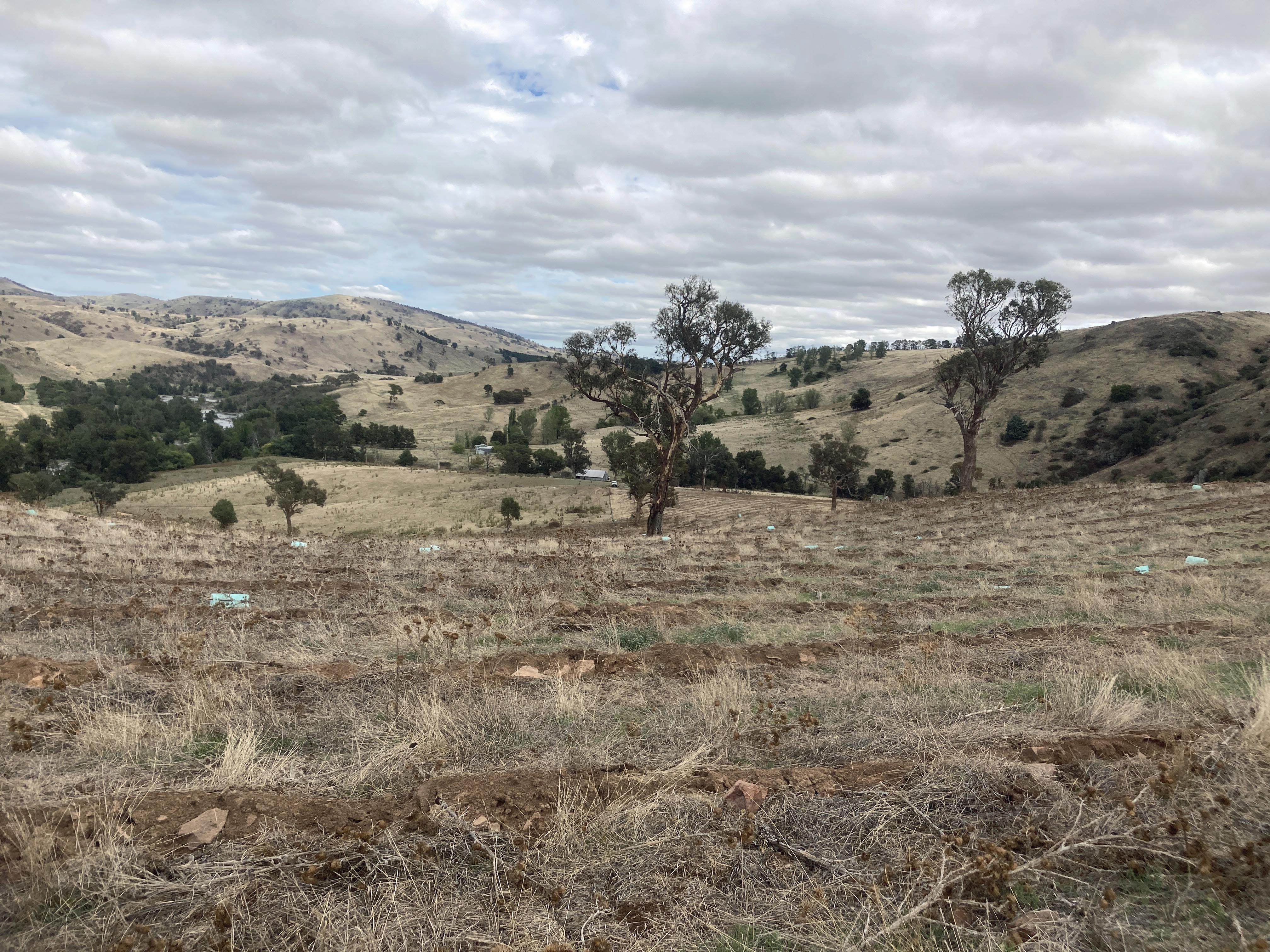
The weather was still very dry after the summer until May, which was a worry. It was horrifying to think of all those wasted plants if another try went badly.
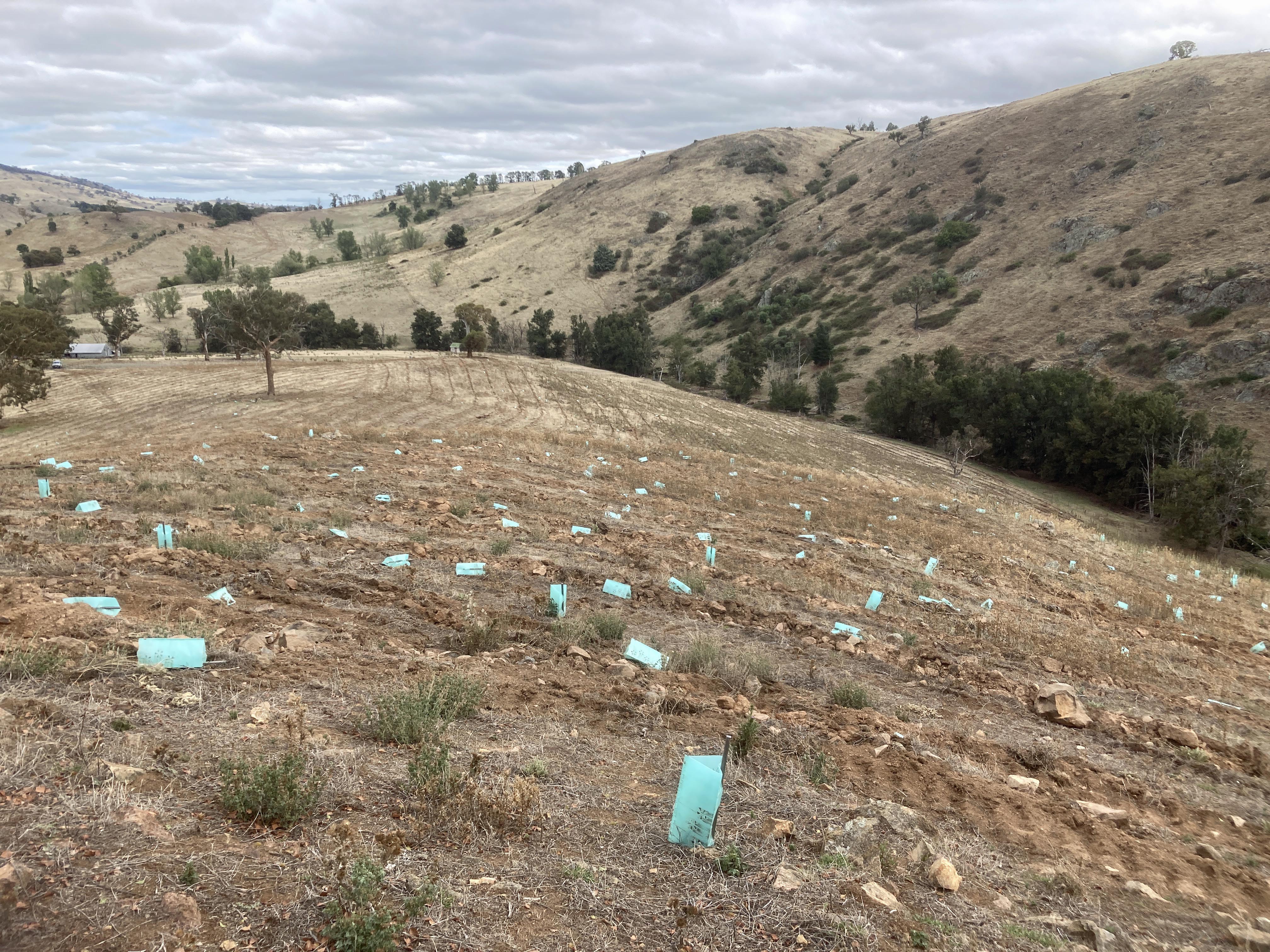
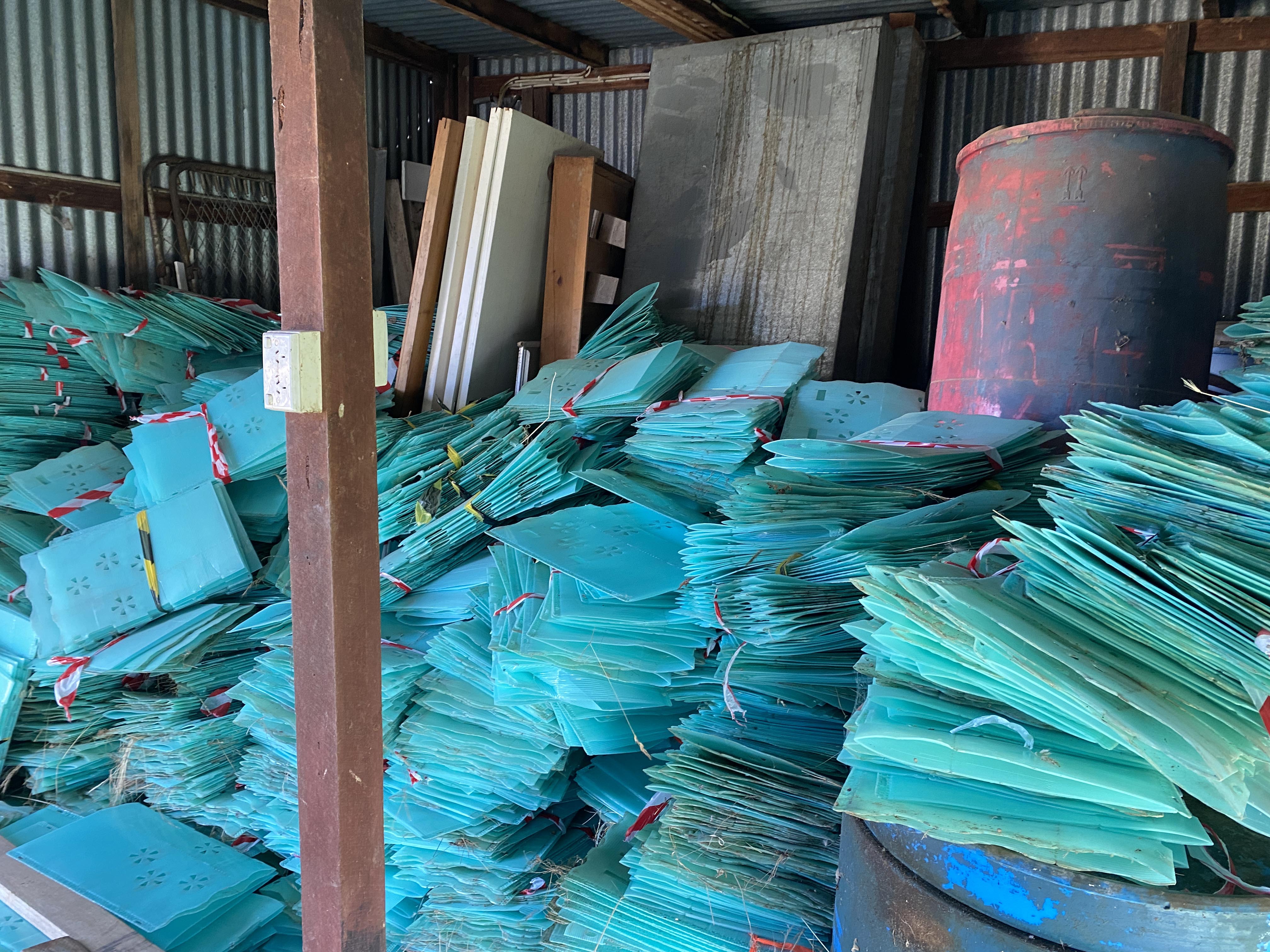
It looked like most of the used covers were left lying for the bulldozer to munch on, but in fact thousands had been recovered and stored at Wombat Hollow.
Vincent’s team also did some knockdown spraying on the contour lines before the planting, to reduce competition. I don’t love using sprays for anything but phalaris, which uses chemical competition of its own to kill native trees and shrubs. We had a lot of discussion about whether he should use anything else but glyphosate 360, which was the only chemical I thought would have minimal effects on the new plants. The rampant blackberries had been controlled in the spring, so those woody weed chemicals should be minimized by now.
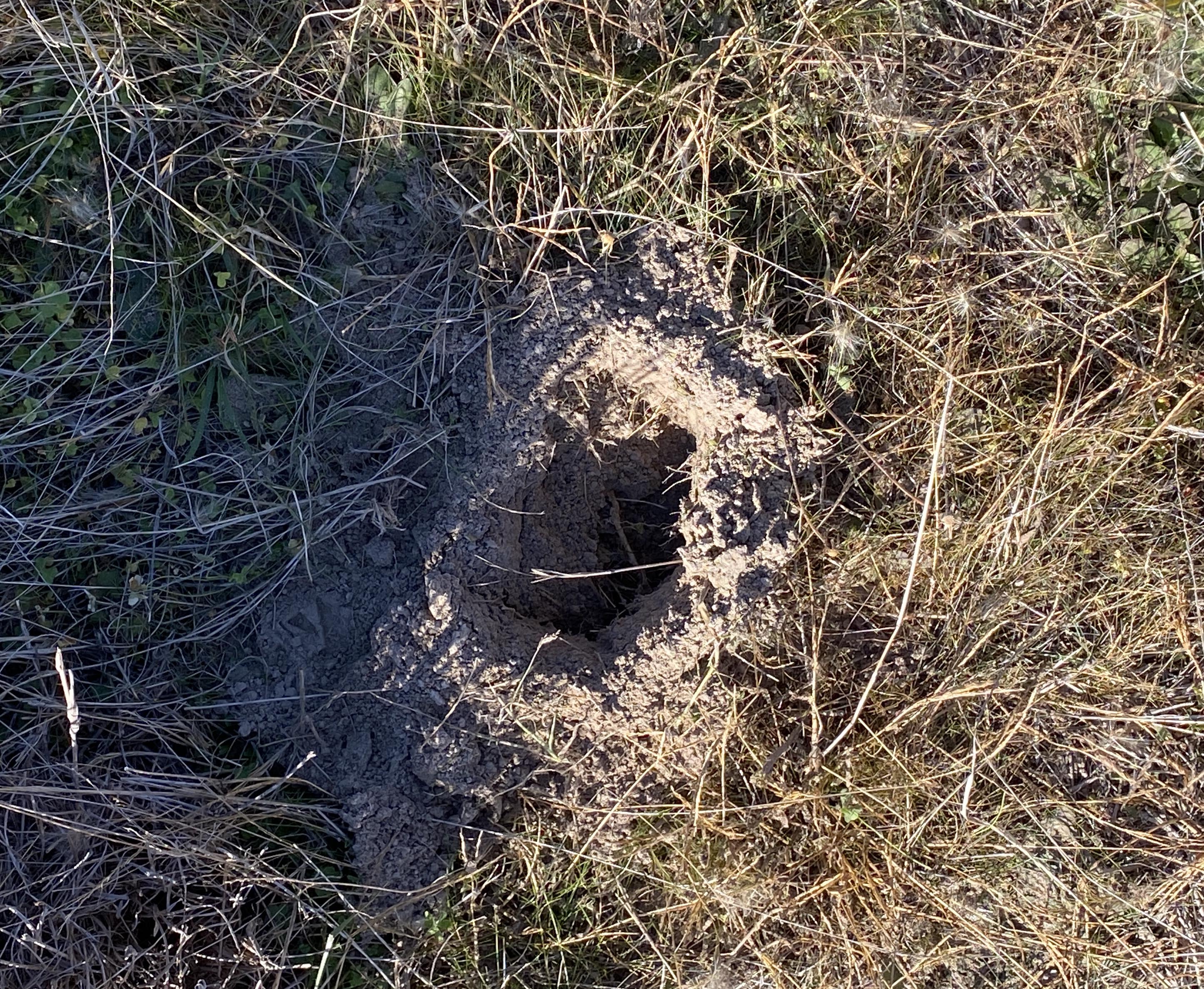
The team used augers to drill holes in advance of planting. The auger holes looked nice, so I tried a few for my plantings, but they turned out to be too small to be useful for us. Different systems, different techniques.
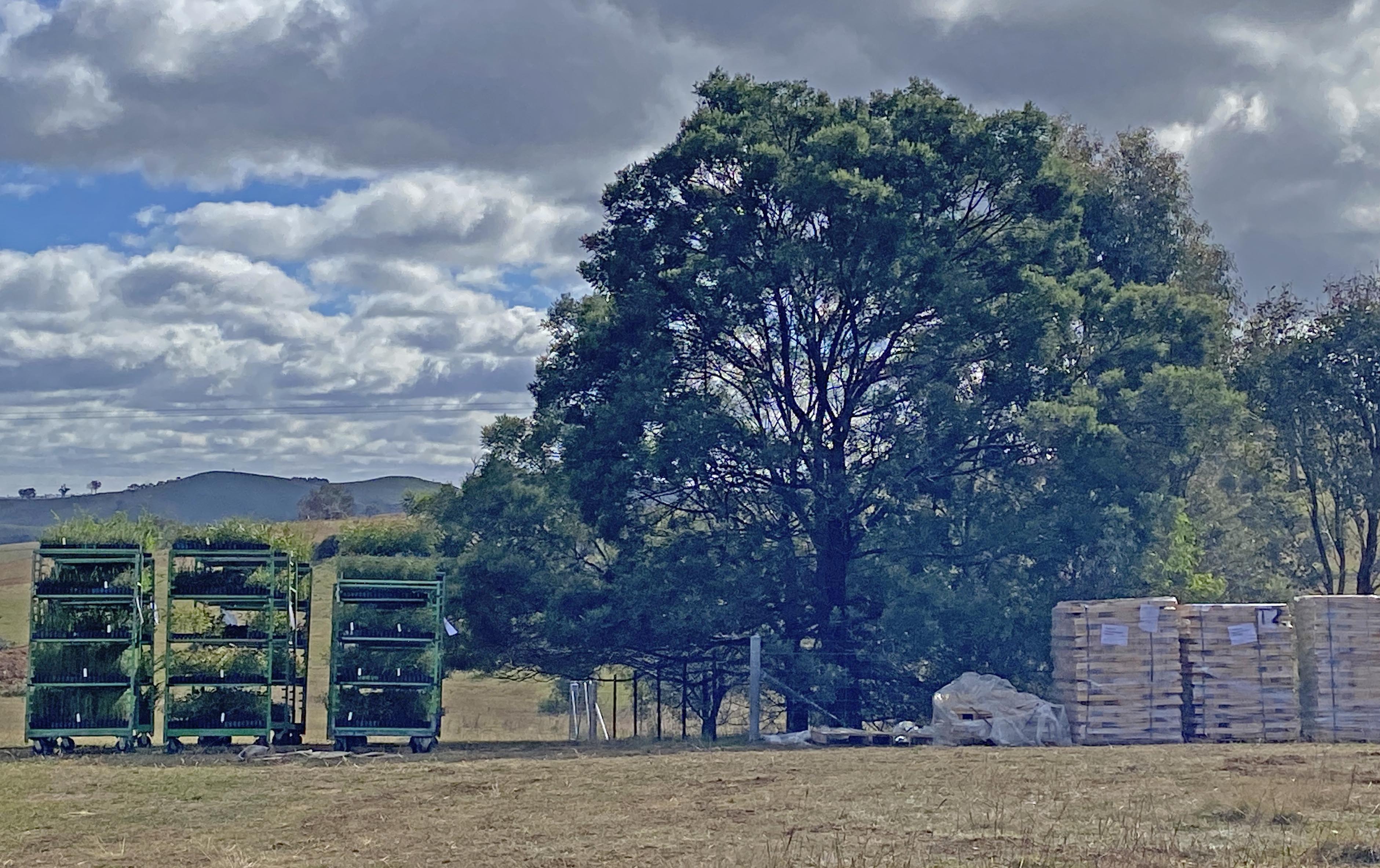
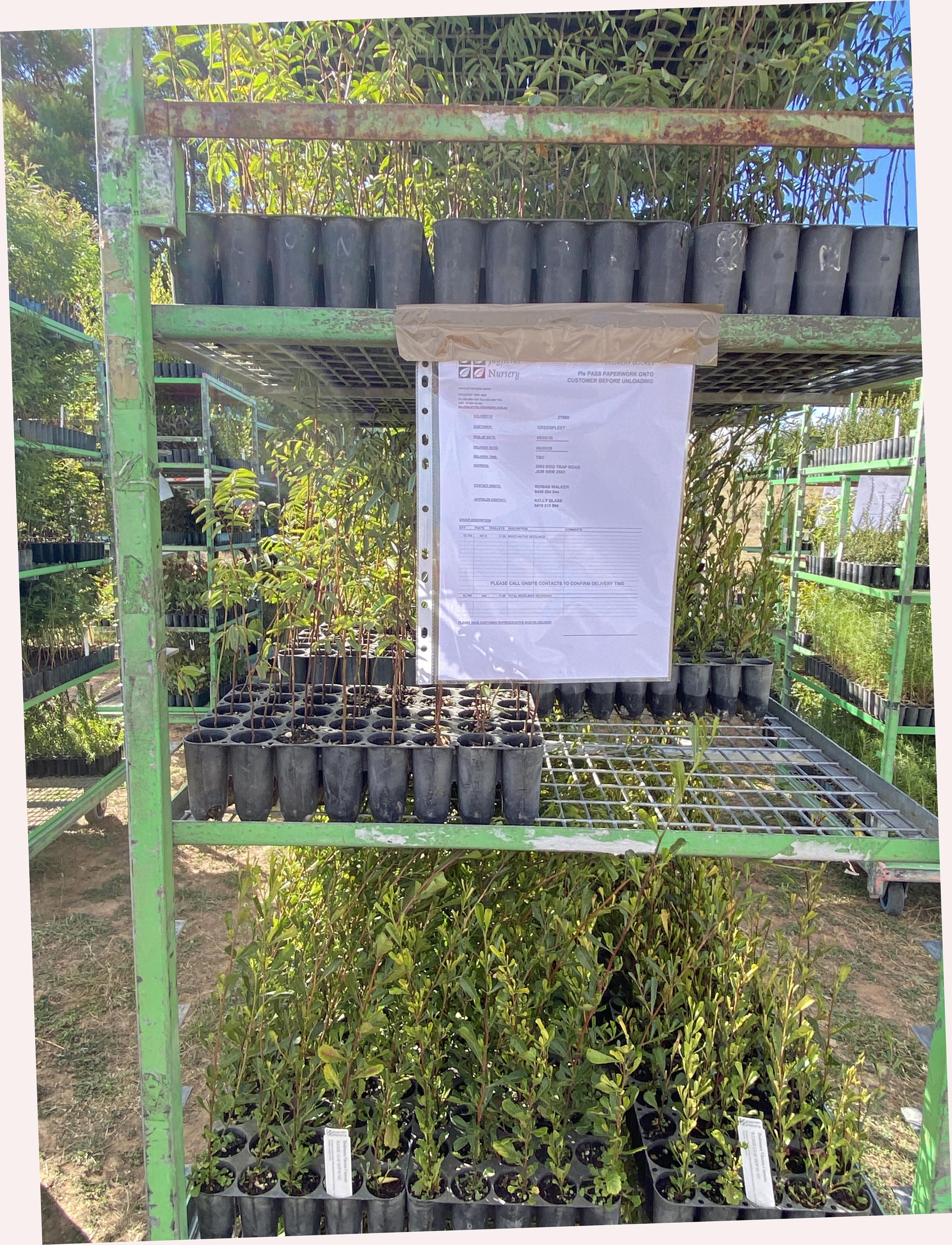
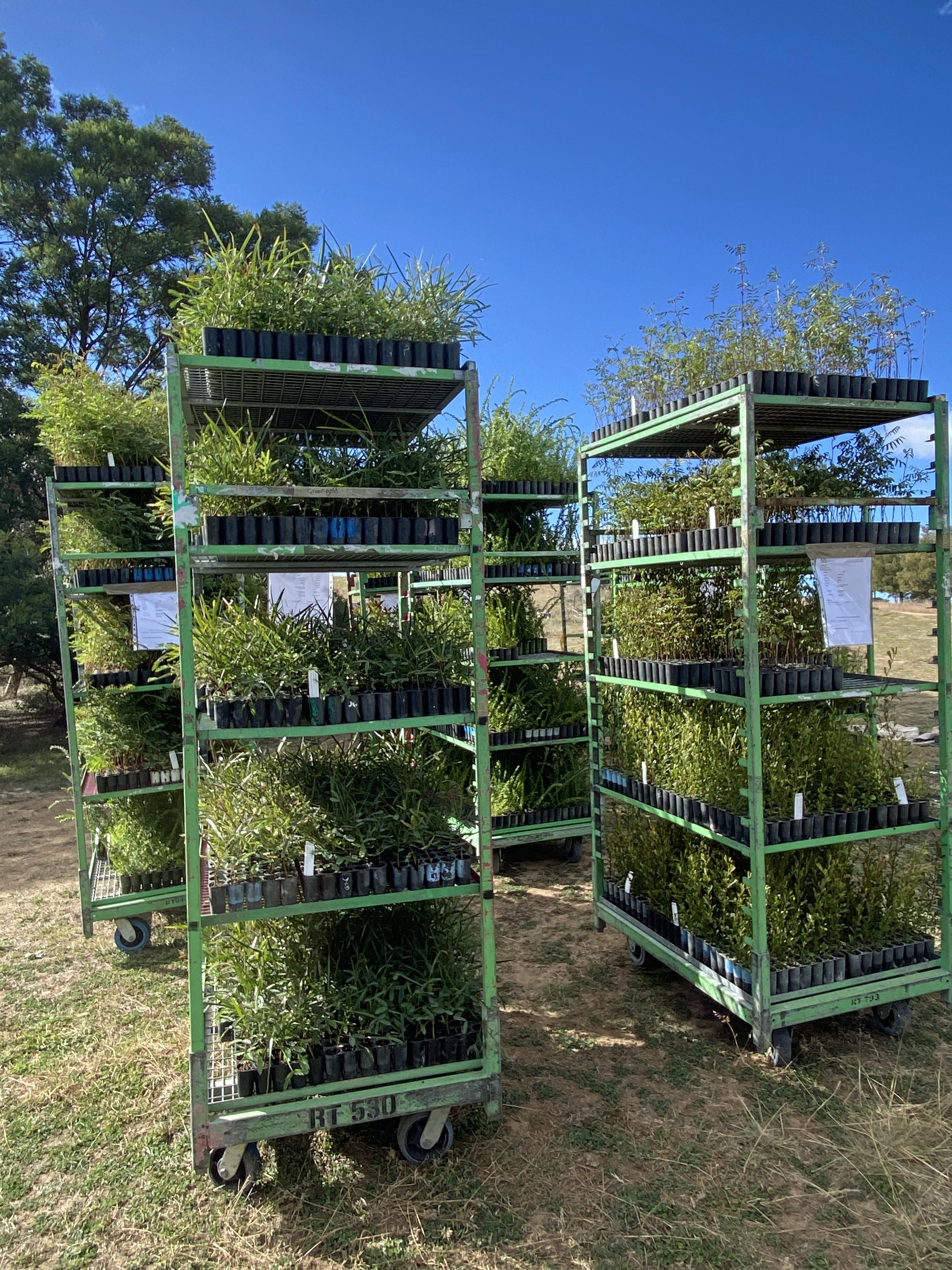
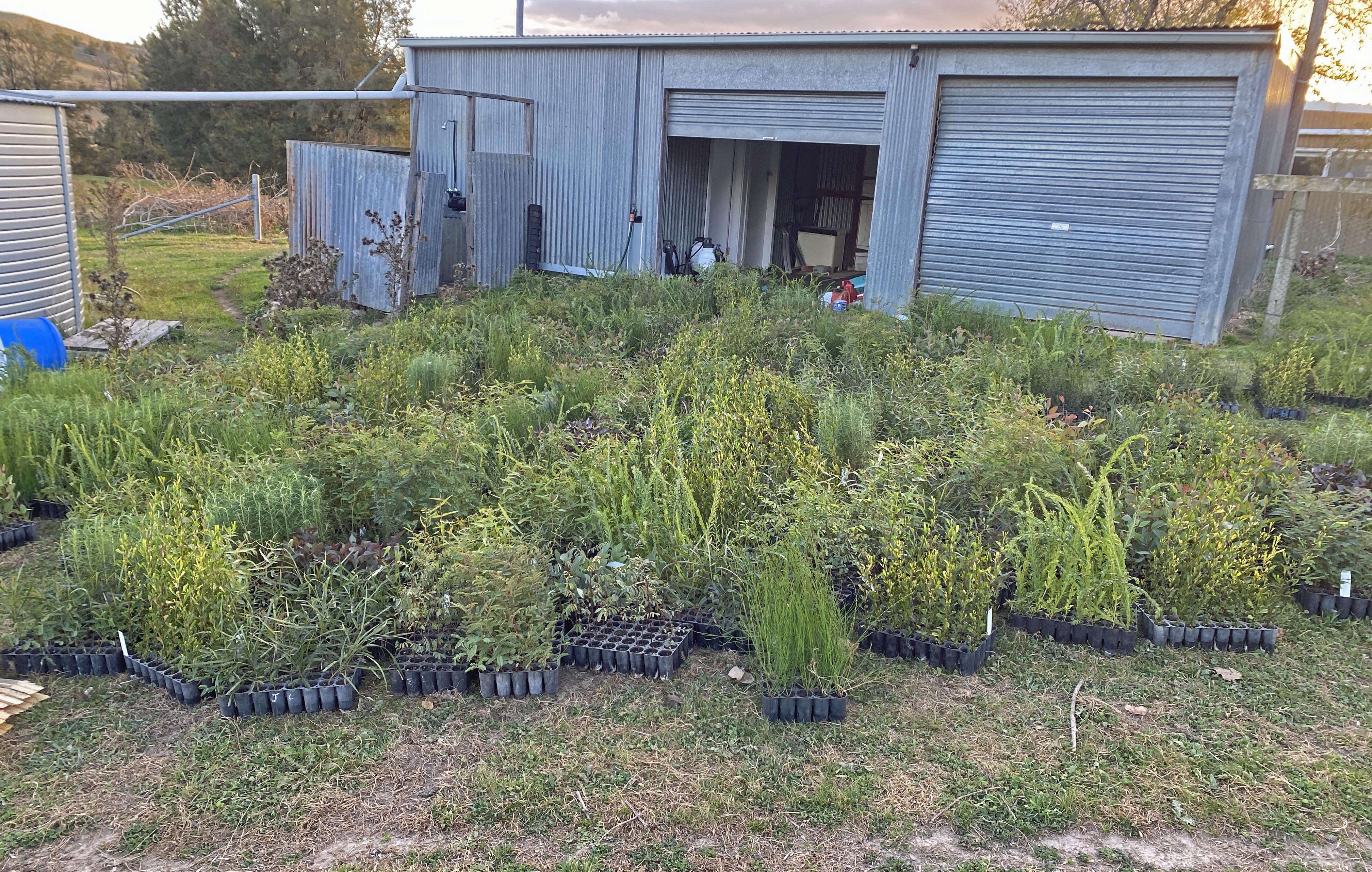
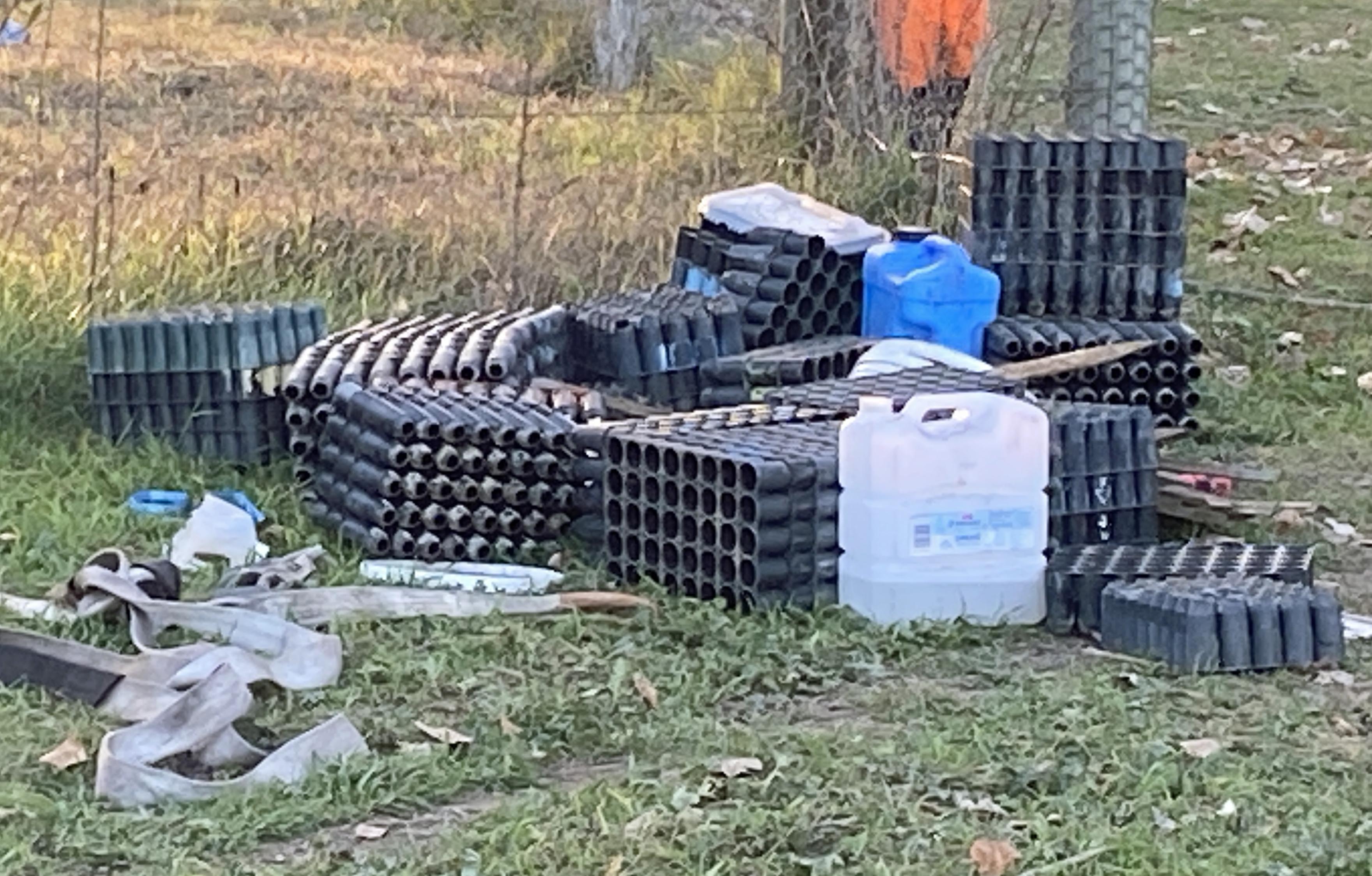
Finally the plants arrived in their huge stacking trays, and were moved down to Wombat Hollow to be looked after and make a beautiful mini-forest there. They looked really healthy and ready to be planted, even though the forestry trays give very little space for the roots.
The team happily found more survivors than expected in the damp parts of the Waterfall area, so they started there and worked onward for a couple of weeks until they were done. We scarcely saw them except as distant figures working hard.
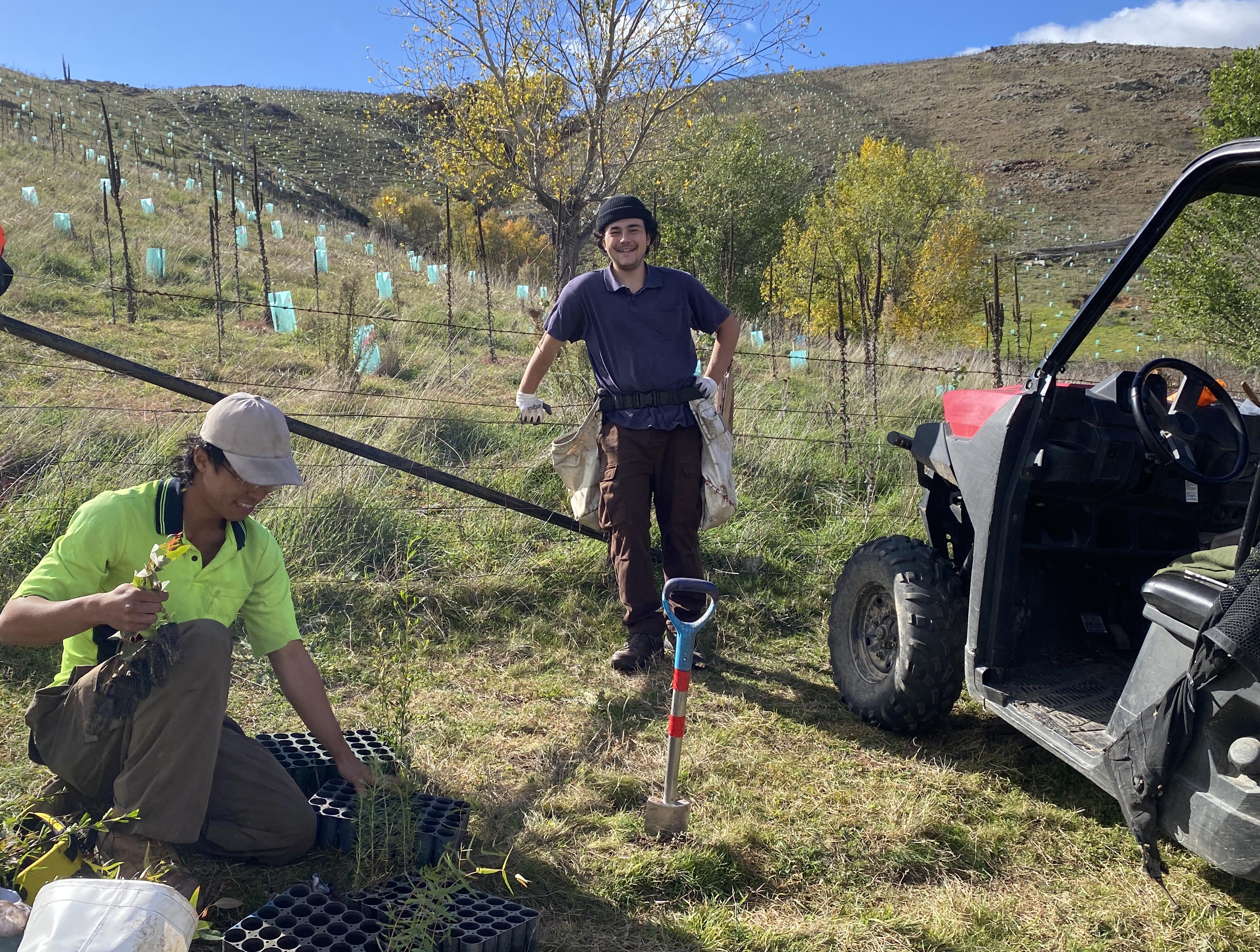
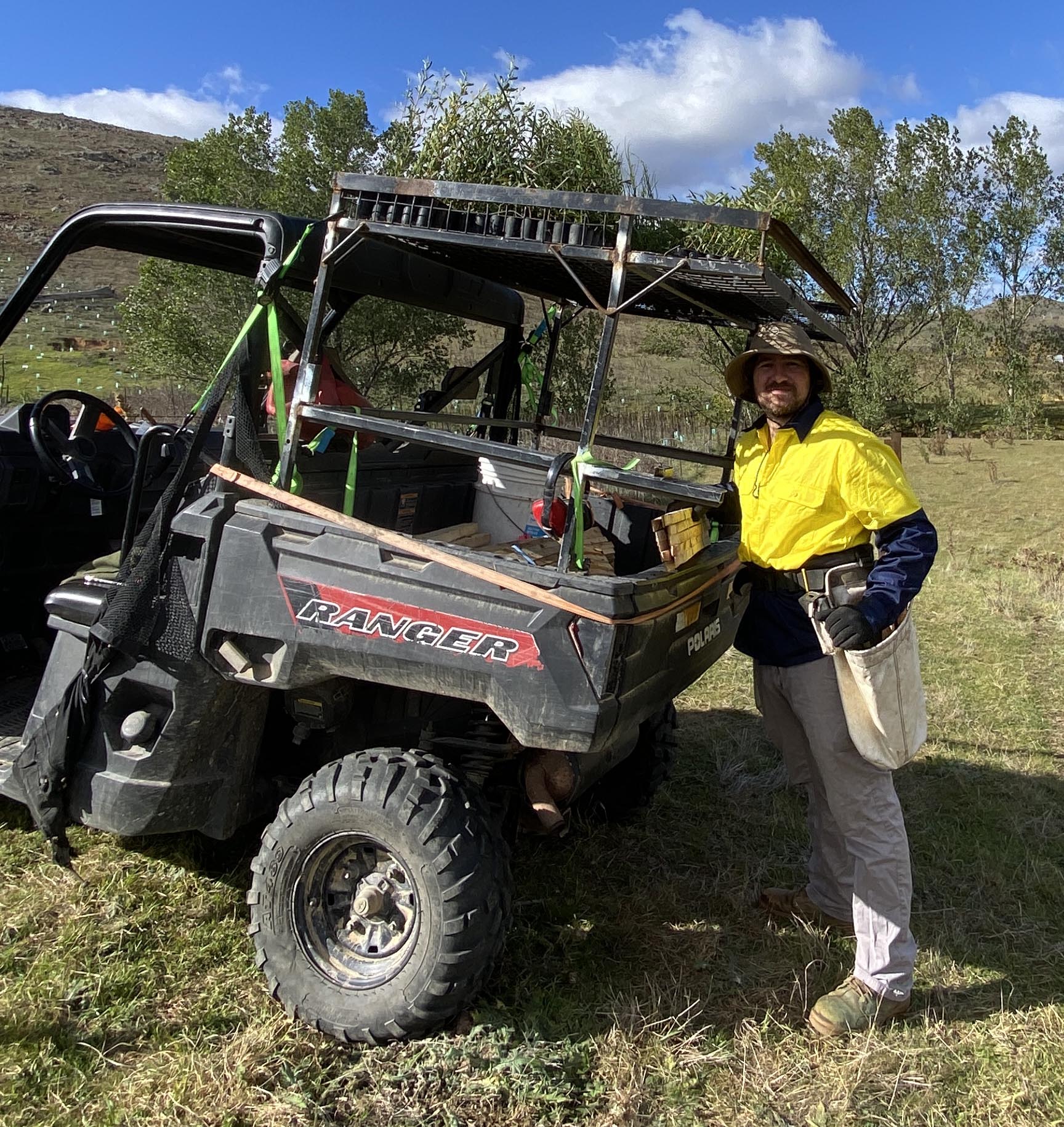
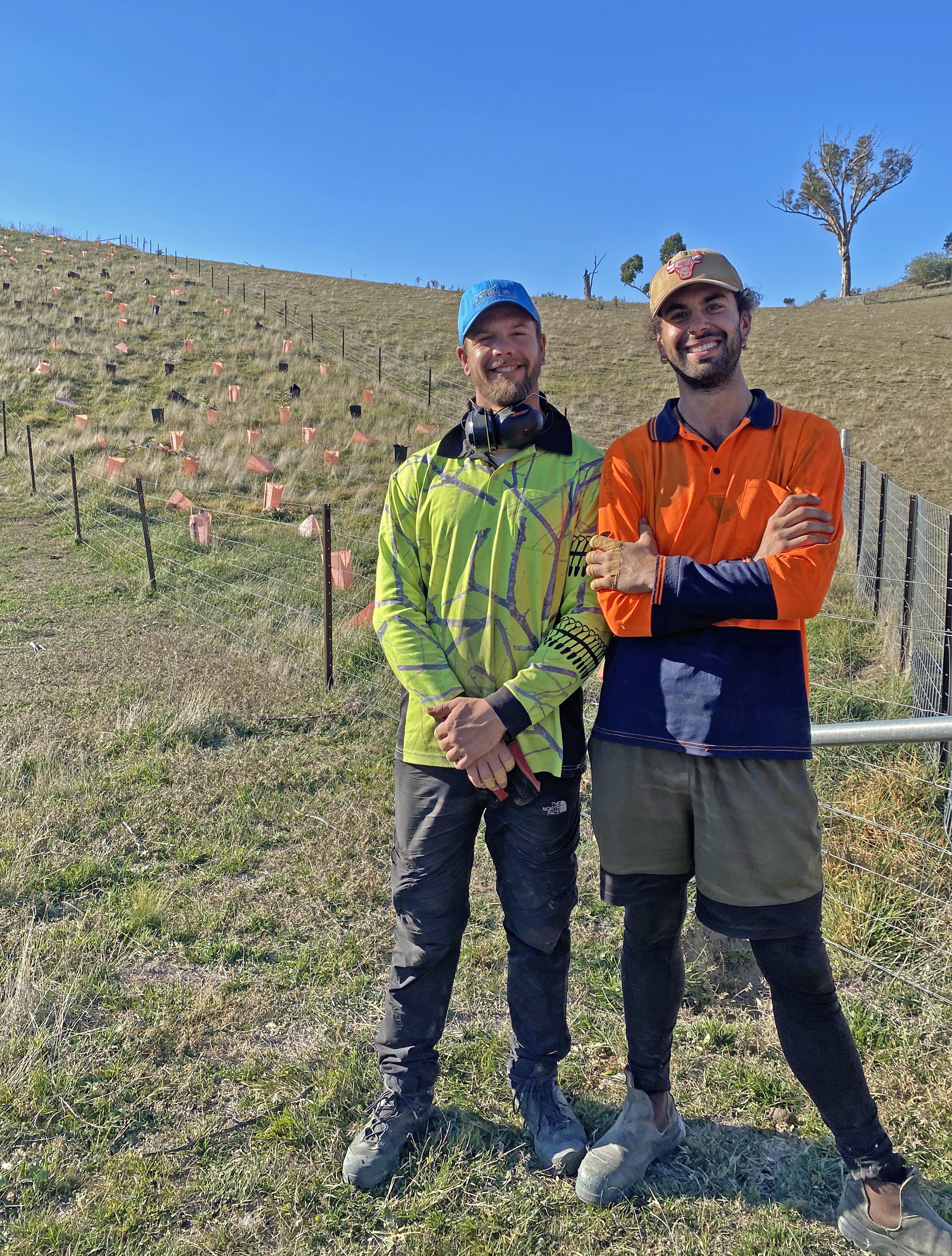
The soil was damp and the rain has continued. I have great hopes this time will go well.


Best Wishes 2026. Tackling the The Twelve Labours of Heracles Bring it home !
LikeLike
Thanks Katherine!
LikeLike
When our Landcare group started in 2000 a highly respected veteran of tree planting in the locality barked, “Just expect to lose up to 90% of everything you plant” – then another old veteran advised, ” yes, but never pull out anything until it’s been dead 2 years”. The second piece of advice was more useful than the first.
LikeLiked by 2 people
Yes, I do love it when there’s a Lazarus-style recovery! The model I mostly try to use is “plant fewer, plant them better” – for my own plantings. It does tend to lead to less heartache. However, Greenfleet’s big bang planting this year is looking very promising with all the rain we’ve had, so that would be ten years of my slower planting.
LikeLike